Collection: Day of the Dead Decorations
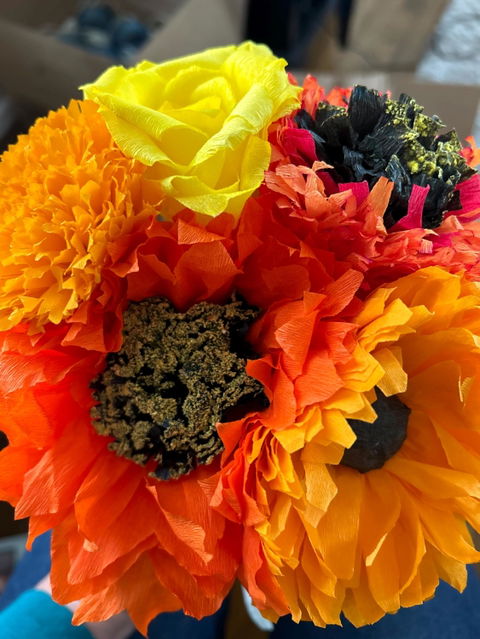
Celebrate life and treasured memories with our authentic Day of the Dead decorations. Discover colorful papel picado, paper marigolds, ceramic skulls and table decor for meaningful ofrendas and gatherings. Everything is handmade in Mexico by master craftsmen and women.

-
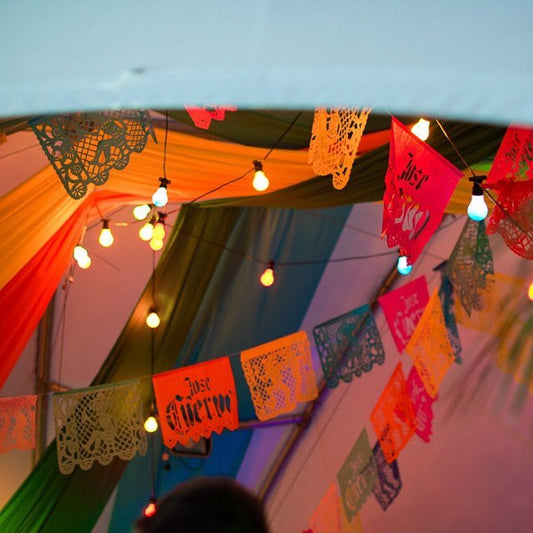
Dia de los Muertos Decor Personalized Banners
Regular price From £162.00 GBPRegular priceUnit price per -
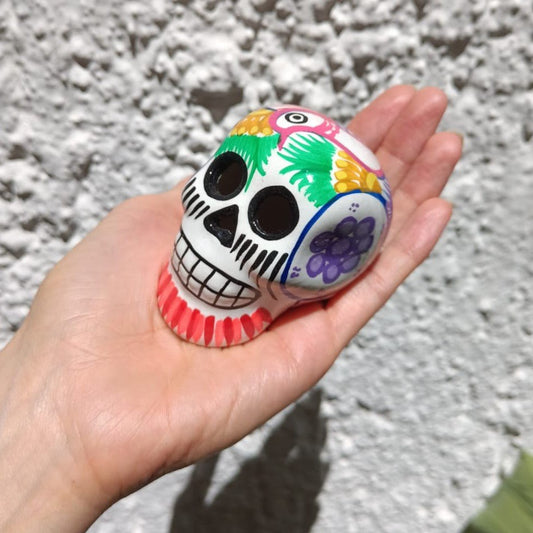
4 Small Mexican Ceramic Skulls Individually Gift Boxed
Regular price £64.30 GBPRegular priceUnit price per


Customer Reviews
Let customers speak for us
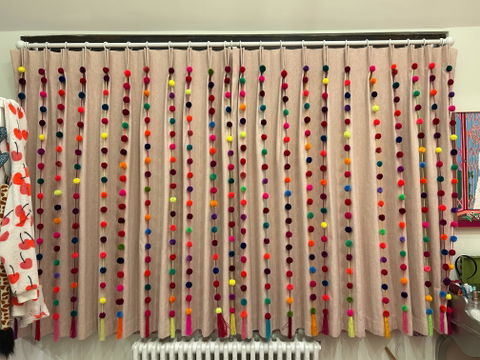
We used them to decorate curtains in my daughter’s room. The Pom Poms are really nice quality in fun colours. I’d recommend this seller.
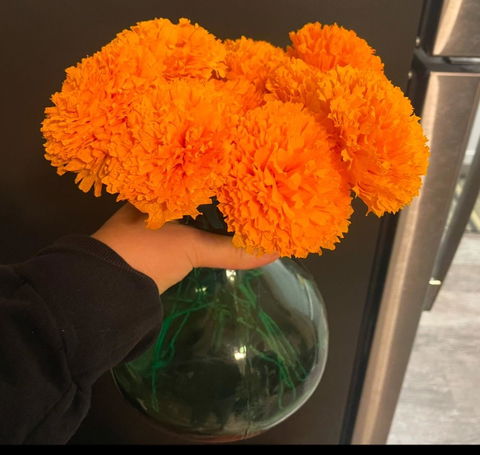
I love these! They look real and are definitely worth the price! I've gotten so many compliments with the quality and look of the flowers. I will definitely have to order more!
Lovely colours, made well, fast delivery
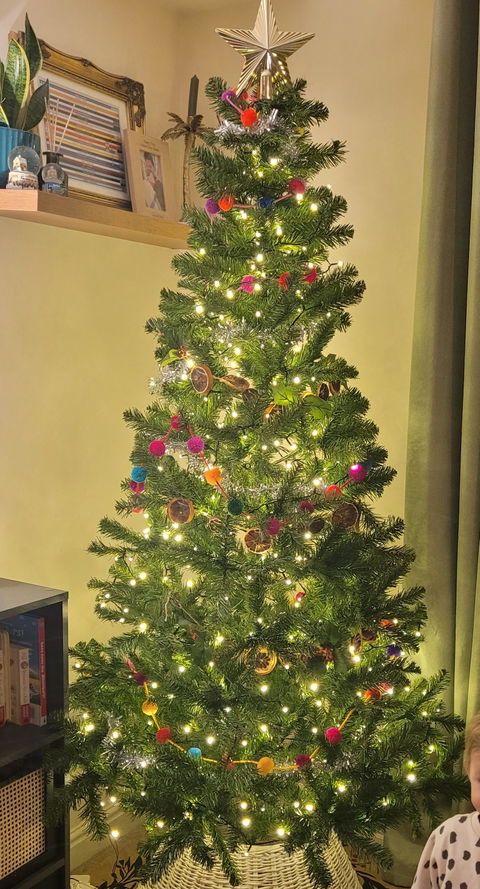
Arrived promptly and looked absolutely vibrant & beautiful after fluffing up, great quality as well!
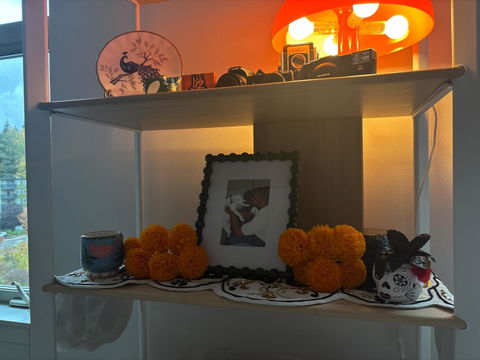
The flowers are full and beautiful! They came on time! I'll definitely use them every year. I ordered 2 dozen! Highly recommend!
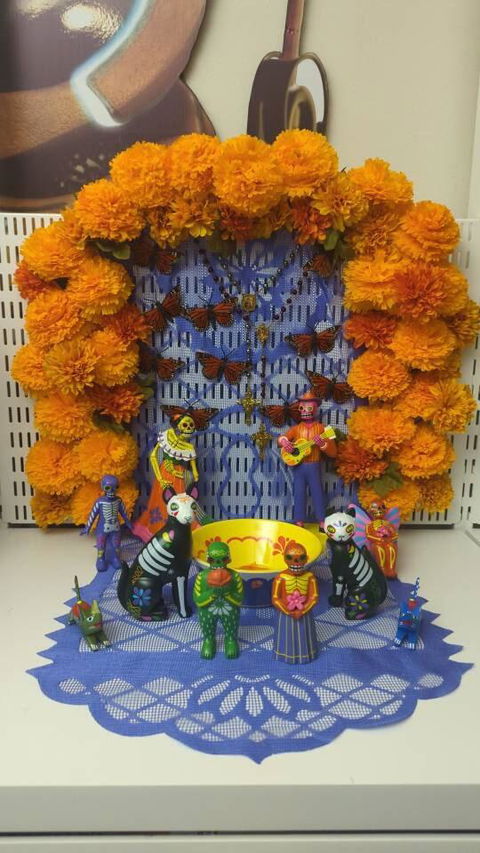
Really great being able to buy excellent quality mexican decorations here in the UK - perfect for celebrating day of the dead!
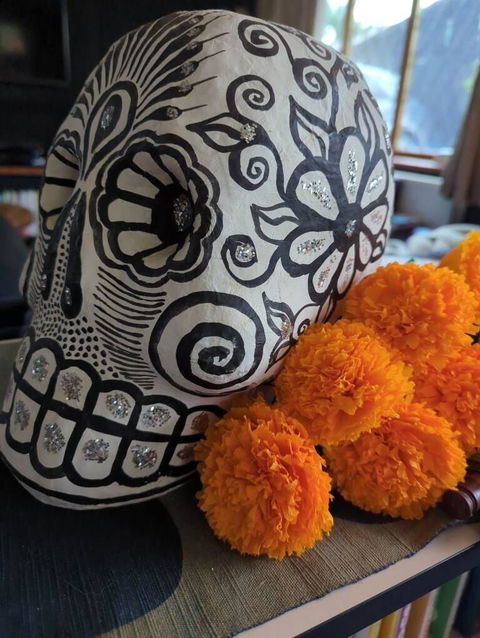
Beautiful paper flowers. Perfect for our ofrenda
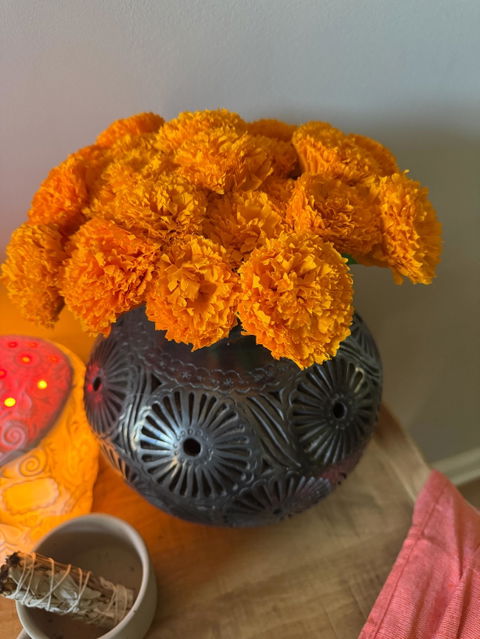
I love the flags!!! They are very traditional and well done. Brings me memories of my childhood, making them myself with friends in Mexico. Will definitely buy more in the future.
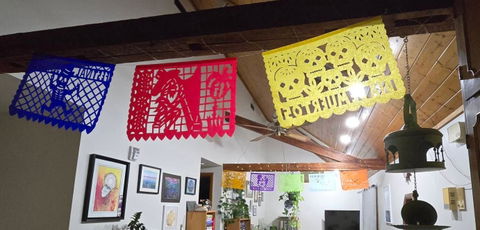
The papel picado was absolutely beautiful and the perfect addition to our wedding dinner reception. Exceeded my expectations. Aprylle kept in great communication to ensure our order would arrive on time.
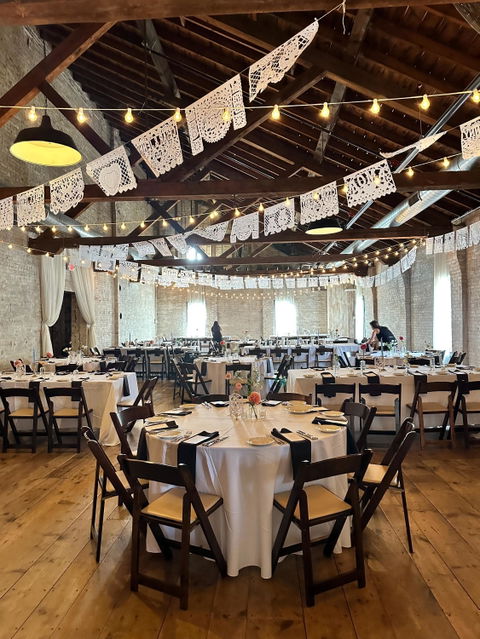
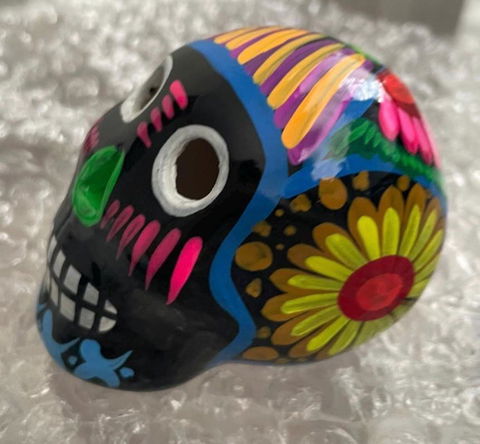
Great service, delivered speedily & quality was great.
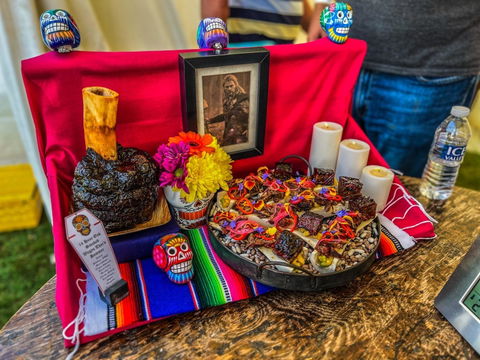
We used them at the UK BBQ championships and the feedback was this was the most photographed plate.
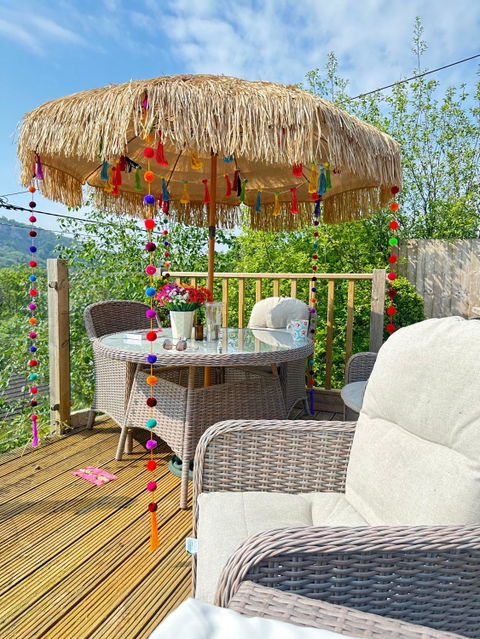
Beautiful, I've bought them before I give them for gifts, now I've treated myself to a set of 5 I love them on my straw parasol xxx
These are fab. Big and beautiful. I love then.
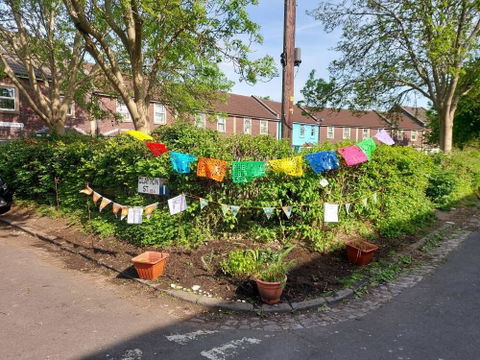
These were made beautifully but I probably should have purchased the plastic version for durability. It ended up being quite windy and they took a beating. But they were beautiful and the colors perfect.
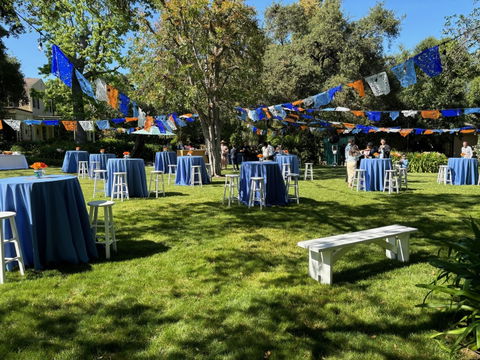
These were perfect for our event centerpieces
Day of the Dead Decorations Further Info
Browse by Collection
-

Mexican Fiesta Decorations
Planning a celebration? Look no further - you’ve found the perfect place!...
-

Mexican Wedding Decorations
We proudly offer traditional handmade Mexican wedding papel picado, a stunning decoration...
-

Mexican Home Decor
Bring the vibrant soul of Mexico into your home with our thoughtfully...
-

Day of the Dead Decorations
Celebrate life and treasured memories with our authentic Day of the Dead...
-

Pom Pom Garlands
Pom pom garlands are amazingly fun vibrant colourful home, wedding and event...
-

Custom Papel Picado
Custom papel picado is the ultimate personalised event decor! Create a festive...
-

Otomi Tapestries Wall Art
Explore our exquisite selection of Mexican Otomi tapestries, unique wall art, hand-embroidered...
-

Mexican Decorations
Welcome to ArtMexico, your ultimate source for authentic Mexican Decorations that bring...


